PARTNER ENABLEMENT: A COMPLETE GUIDE TO STRATEGY AND IDEAS
Your newest partner just told a prospect your product does something it doesn’t. Not out of malice, more out of guesswork. Nobody ever sat them down and walked them through what the product actually does, so they filled in the gaps themselves. Now you’re on a call trying to walk back a promise you never made, and the deal is wobblier than it needs to be.
That’s what happens when partner enablement gets treated as a folder of PDFs sent once during onboarding and never touched again. Partner enablement is the ongoing work of giving your channel partners, resellers, and distributors the training, content, and tools they need to sell and support your product with real confidence, not a guess dressed up as a pitch. Done well, it’s the difference between a partner who represents you accurately and one who’s quietly winging it on your behalf.
This guide covers what partner enablement actually means, how it’s different from enabling your own sales team, and how to build a strategy with ideas you can put to work this quarter, not next year.
What Is Partner Enablement?
Partner enablement is the practice of equipping channel partners, resellers, and distributors with the training, content, and tools they need to sell and support a product with confidence. It covers onboarding, product knowledge, sales collateral, and ongoing support, delivered continuously rather than as a one-time handoff.
That last part matters more than most teams give it credit for. Partner enablement typically involves two connected workstreams. There’s external enablement, which supports the people actually selling and delivering your solution on the partner’s side. And there’s internal enablement, which equips your own partner managers, channel sales, and alliances teams to support those partners well. Miss either half and the gaps show up fast: unclear pricing questions, outdated decks still floating around six months after a rebrand, a partner who genuinely didn’t know a feature existed.
Here’s the pressure that makes this harder than internal sales enablement: your average channel partner isn’t just selling you. According to Forrester, the average channel partner works with 5 to 10 technology vendors at once, which means your product is competing for a slice of someone else’s limited selling time. If learning to sell your product feels harder than learning to sell a competitor’s, guess which one gets the pitch.
Partner Enablement vs. Sales Enablement
Partner enablement and sales enablement tools share a goal: helping someone sell well. The difference is who you’re supporting and how much room you have to experiment. Internal reps live inside your brand every day, so you can test new messaging and adjust quickly based on feedback. Partners don’t get that same daily exposure, and they’re often selling three other vendors in the same week.
That’s why partner enablement leans on finished, confident messaging from day one instead of messaging that evolves over time. With your own sales team, an unclear value proposition is a coaching opportunity. With a partner, an unclear value proposition is a reason for them to sell someone else’s product instead, because it’s the path of least resistance.
Channel Partner Enablement: Where It Gets More Specific
Channel partner enablement is the more specific slice of this work: enabling the indirect sellers in your ecosystem. Resellers, distributors, system integrators, managed service providers (MSPs), independent software vendors (ISVs). These partners rarely work exclusively with you, which raises the stakes on clarity and speed.
Inside channel partner enablement, the same internal-versus-external split still applies. External enablement focuses on product knowledge, positioning, sales plays, and implementation guidance for the people on the partner’s side who face the customer. Internal enablement equips your partner account managers, channel sales, and solutions engineers with the repeatable processes and messaging they need to recruit, onboard, and support partners consistently. One without the other creates the exact fragmentation you’re trying to avoid: a great deck that nobody on your own team knows how to introduce, or a well-trained internal team backing partners who never got the same materials.
The Partners You’re Actually Enabling
Not every partner needs the same depth of hand-holding, and treating them like they do is one of the fastest ways to waste an enablement budget. A global systems integrator with a dedicated solutions team needs technical depth and implementation detail. A local reseller closing smaller deals needs speed: a clear pitch, a clean demo, and an answer to “how do I get paid on this” that doesn’t require three follow-up emails. Segment by partner type and business model first, then build enablement paths that match, instead of forcing everyone through one generic course.
Think about it the way a streaming service handles new subscribers versus power users. A first-time viewer gets a short onboarding tour and a handful of obvious recommendations. Someone who’s been watching for years gets deeper, more specific suggestions because the system already knows what they need. Partner enablement works the same way: a brand-new reseller needs the basics spelled out clearly, while a partner who’s closed twenty deals with you needs sharper, more advanced material, not another beginner’s walkthrough.
Why a Partner Enablement Strategy Matters
Weak partner enablement rarely announces itself. Partners don’t usually complain when your onboarding is thin or your decks are stale. They just quietly stop leading with your product, and you find out months later when partner-sourced revenue is flatter than it should be.
A survey cited by Techclass found that partners who complete formal training or certification generate up to six times more revenue on average than partners who skip it. That’s not a small gap. It’s the difference between a partner who happens to sell your product and one who’s actually built to sell it well.
Canalys estimates that channel partners influence roughly 70% of global technology spend, which is a strong argument against treating partner enablement as a secondary program bolted onto direct sales. If you’re relying on partners for that much of your reach, under-investing in key benefits like consistent messaging and up-to-date content isn’t a minor gap. It’s a direct hit to how much of that 70% actually flows your way.
There’s a brand consistency cost too. Partners represent you before a customer ever talks to someone on your own team. If the messaging is inconsistent from one partner to the next, customers notice, and it shows up as confusion during a sales cycle rather than as a clean, unified pitch.
Building a Partner Enablement Strategy: 6 Steps
A partner enablement strategy doesn’t need to be complicated to be effective. It needs to be built in the right order, with each step feeding the next.
1. Audit what already exists
Before building anything new, find out what partners currently have access to and where they actually get stuck. Your partner managers already know the answer to that second question, they’re the ones fielding the same repeated questions every quarter. Ask them directly instead of guessing from a dashboard.
2. Segment your partners
Group partners by type and business model, not by how long you’ve worked together. A reseller, a distributor, and a systems integrator need different depth, different pacing, and sometimes entirely different content formats.
3. Set goals and KPIs before you build anything
Decide what success looks like before content exists: partner-sourced revenue, time to first deal, certification completion, or all three. Building content first and figuring out how to measure it later almost always means measuring the wrong thing.
4. Build the onboarding path
Cover the essentials early: product basics, your ideal customer profile, pricing and packaging, how the demo flow works, and exactly where to go for help. Short, modular content beats a two-hour kickoff presentation almost every time, partners retain more from five-minute pieces they can revisit than from a single long session they sat through once.
5. Centralize content and keep it current
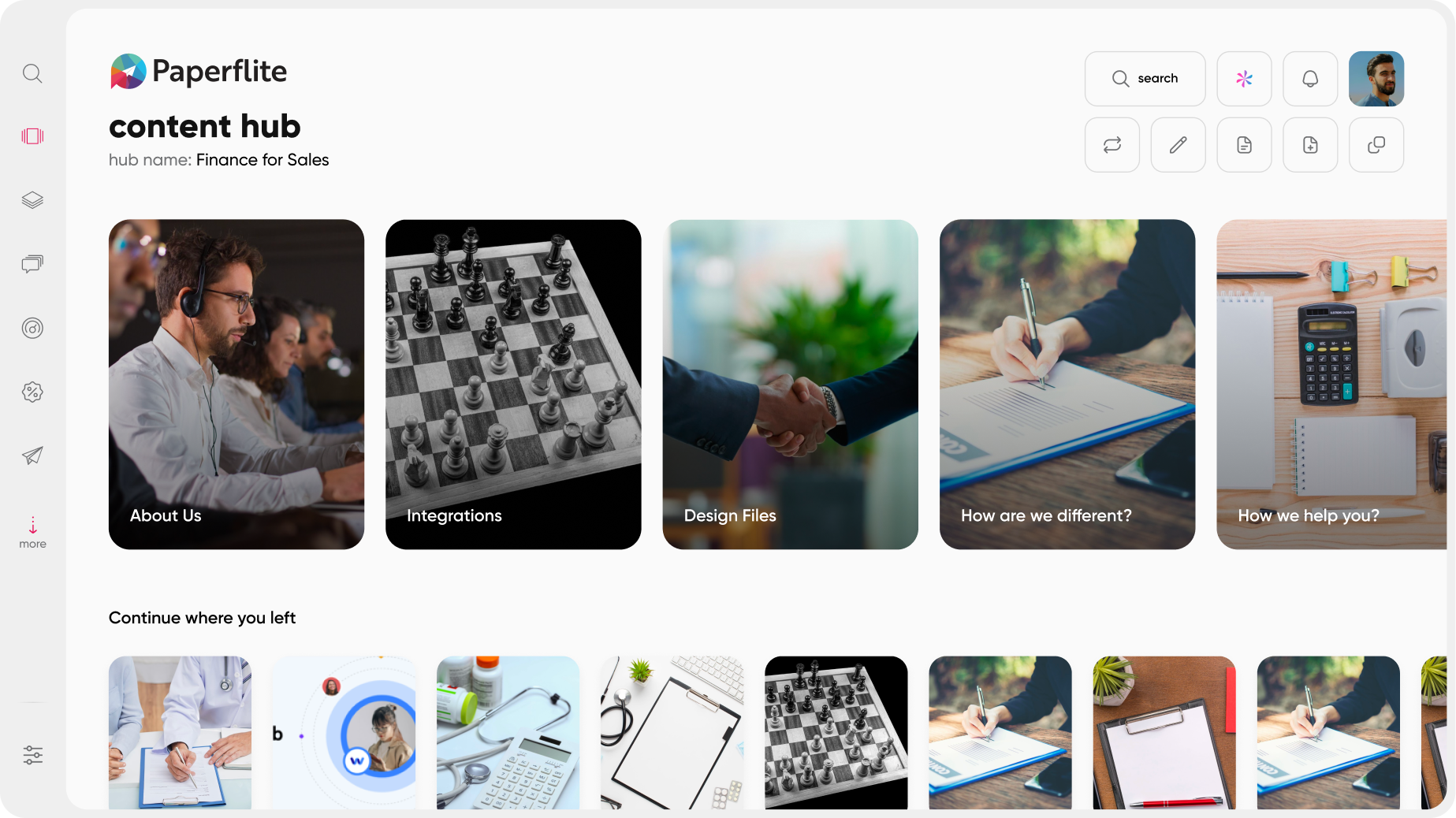
Outdated decks and inconsistent talk tracks are one of the most common causes of confusion late in a deal, and they usually happen because partners saved a local copy months ago and never checked for an update. Centralizing everything in one place, with clear version control, closes that gap. If you’re building out this kind of hub, it’s worth reviewing what goes into How to Build a Sales Enablement Strategy? with Template since a lot of the underlying content discipline overlaps.
6. Track engagement and iterate
Portal logins and download counts tell you partners showed up. They don’t tell you whether the content actually helped close anything. The more useful signal is whether partners are pulling specific assets into live deals, and whether the ones who do close faster than the ones who don’t. Pair that with a lightweight feedback loop (a quarterly survey, or just a standing five minutes on your partner calls) so you’re not relying on guesswork to know what’s working.
Partner Enablement Ideas That Actually Move the Needle
Some of these will already be part of your program. A few probably aren’t, and they tend to be the ones that keep partners engaged past the first ninety days, once the novelty of a new vendor relationship has worn off.
- Role-based learning paths instead of one course for every partner type. A reseller and a technical integrator shouldn’t sit through identical training.
- Gamified certification, with points, badges, or a light leaderboard. It sounds small, but it’s genuinely one of the more reliable ways to keep training completion rates from cratering after month one.
- Partner-specific battlecards, built for the conversations partners actually have, not your internal team’s recycled competitive deck.
- A private partner community or forum, where partners can ask each other questions instead of only asking you. Most partners would rather hear “here’s how I handled that” from someone who’s been in their shoes.
- Co-brandable, partner-customizable marketing templates, complete with Sales Enablement Collateral they can adapt with their own logo without filing a design request every time.
- Milestone-triggered check-ins, like a note when a partner closes their first deal, instead of a generic monthly newsletter everyone skims and forgets.
- Quarterly business reviews that double as a training touchpoint, not just a numbers recap. It’s a natural moment to reinforce what’s new since the last check-in.
Partner Sales Enablement: Where Content Meets the Deal
Partner sales enablement is the sharp end of everything above: the specific collateral, battlecards, and tools a partner reaches for the moment they’re in an active deal. It’s a subset of the broader strategy, focused entirely on deal-stage support.
The content that matters most here tends to be narrow and practical: case studies, ROI calculators, competitive positioning, and access to a working demo environment. Compare that with the 13 Most Important Types of Sales Enablement Content your internal reps rely on, and you’ll notice a lot of overlap, but partners need it packaged for faster, more self-serve use since they don’t have you sitting next to them on the call.
There’s a failure mode worth naming directly: partners repeatedly asking for materials that already exist. That’s rarely a content creation problem. It’s a content discovery problem, and it usually means the right asset is buried somewhere a partner would never think to look.
How Paperflite Supports Partner Enablement
Most of the partner enablement stack out there is built around one of two things: a learning management system for training, or a partner portal for storing files. Both matter, but neither answers the question that actually determines whether enablement is working: once content reaches a partner, what happens to it?
Paperflite approaches partner enablement from the content side of that question. Instead of just hosting a library of assets, it gives your team visibility into which pieces of content partners are actually opening, sharing, and using in live conversations, so you’re not left guessing whether that new battlecard landed or quietly sank to the bottom of a shared drive. That kind of engagement signal is what turns “we sent it” into “we know it worked,” and it’s the piece most partner programs are missing.
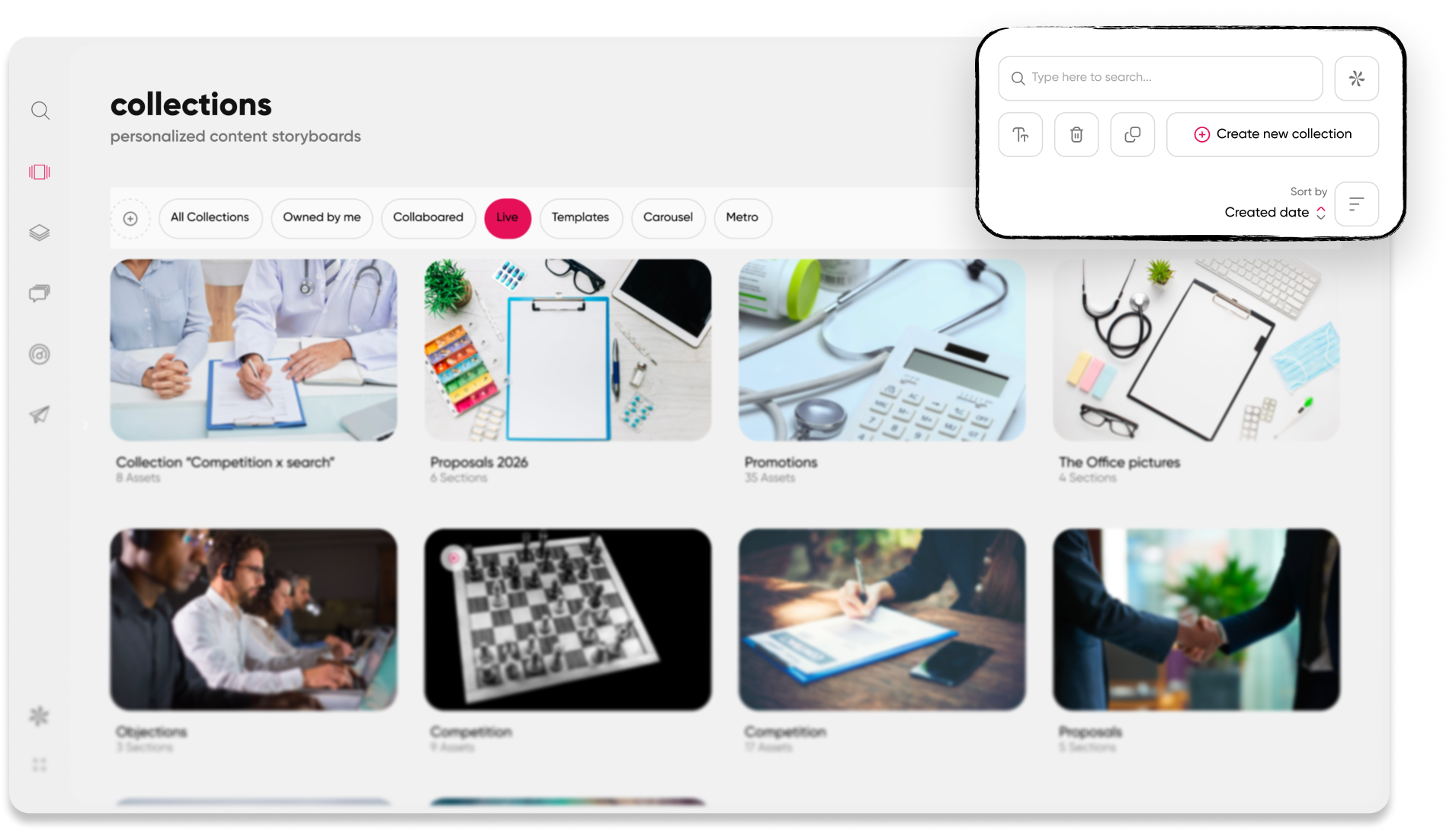
This is also where centralizing content, the step covered earlier in the six-step framework, becomes more than a filing exercise. A single hub that tracks engagement means your partner managers stop having to ask “did you get a chance to look at that deck” on every call, because they can already see the answer before they dial in.
Ready to see what that looks like for your partner program? Book a demo and we’ll walk through it.
FAQ
What is partner enablement?
Partner enablement is the ongoing process of equipping channel partners, resellers, and distributors with the training, content, and tools they need to sell and support a product effectively. It’s continuous, not a one-time onboarding event.
What’s the difference between partner enablement and channel enablement?
They’re largely used interchangeably. Some teams reserve “channel enablement” specifically for indirect sales partners like resellers and distributors, while “partner enablement” can also stretch to cover referral and technology partners.
Who owns partner enablement inside a company?
It varies by company size. In smaller teams it often sits with a partner manager alongside their other responsibilities. As programs mature, companies tend to hire a dedicated partner enablement manager or a small team focused solely on it.
What tools do you need for partner enablement?
Most programs combine a partner relationship management (PRM) system, a content or sales enablement platform, and a learning management system for training and certification. Some newer tools now combine several of these functions into one place.
How do you measure partner enablement success?
Track partner-sourced revenue and pipeline, time to first deal, certification completion rates, and content engagement, not just portal logins or download counts. Engagement tells you whether content is actually being used, not just accessed.
What’s the biggest mistake in partner enablement programs?
Treating it as a one-time onboarding event instead of an ongoing practice. Products, pricing, and messaging change constantly, and partners fall behind fast if enablement stops after their first month.
How is partner enablement different from partner marketing?
Partner enablement equips partners to sell and support your product directly. Partner marketing focuses more narrowly on co-marketing campaigns and demand generation done alongside partners. The two overlap but aren’t the same discipline.
Partners can’t sell what they can’t find, and they won’t keep selling something that’s harder to learn than the alternative sitting in their inbox. See how Paperflite gives your team visibility into what happens to your content after it reaches a partner. Book a Demo